


Return to Exercise Series: How to Return to Exercise Safely After a Break
Returning to exercise after time away doesn't mean picking up where you left off. Discover simple, practical strategies to rebuild strength, improve confidence and reduce your risk of injury.

Desk Health Series: How Sitting All Day Affects Your Body
Desk Health Series
Many of us spend hours sitting each day, often without realising the impact it can have on our bodies. Learn how prolonged sitting influences movement, why regular movement matters more than perfect posture, and discover simple ways to stay comfortable, mobile and productive throughout your working day.

Understanding Pain Management: Supporting Your Body Beyond “Just Resting”
Learn practical, evidence-based pain management strategies including movement, rehabilitation, recovery, Osteopathy, Podiatry, and exercise approaches to support long-term wellbeing.

Waiting for Orthopaedic Surgery: What Can You Do in the Meantime?
There is a growing body of evidence showing that what you do before surgery can have a meaningful impact on how well you recover afterwards. This is often referred to as “prehabilitation” and it can play an important role in improving outcomes, reducing complications, and helping you feel more in control of your situation.
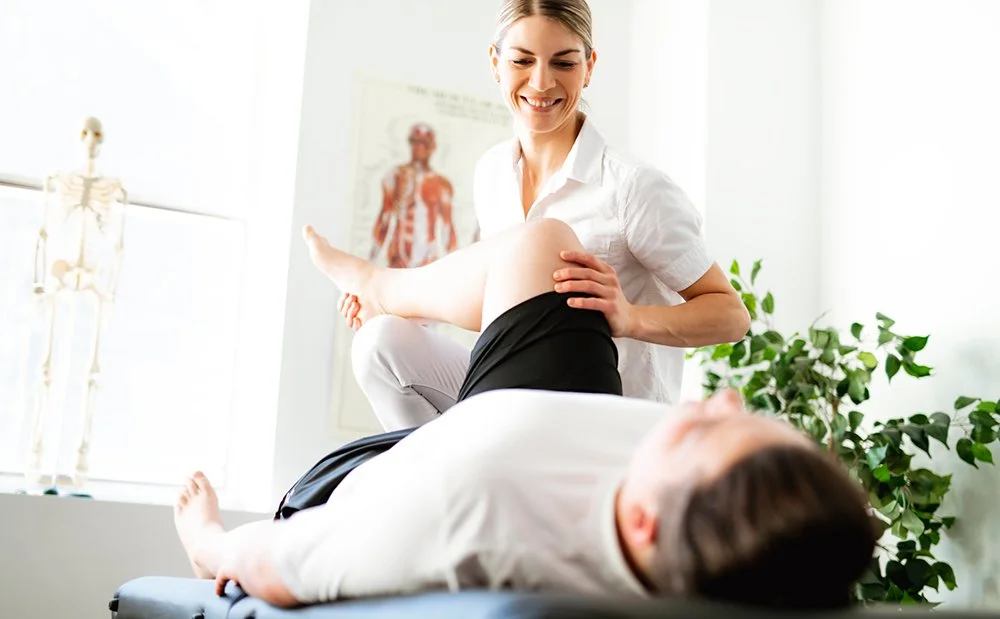
What is Sciatica?
Sciatica refers to irritation or compression of the sciatic nerve, the largest nerve in the body. It runs from the lower back, through the hips and buttocks, and down each leg. When this nerve becomes irritated, it can cause pain, altered sensation, or weakness anywhere along its pathway.

Osteoporosis vs Osteoarthritis: Understanding the Difference
Osteoporosis and osteoarthritis are often confused, but they affect the body in very different ways. This guide explains the key differences, symptoms, and what each condition means for long-term musculoskeletal health.

Paediatric Osteopathy: Gentle Support for Growing Bodies
Paediatric osteopathy is a specialist area of osteopathic care that focuses on the unique needs of infants and children. Treatment is adapted for each stage of development, from newborns through to teenagers, using gentle techniques that are safe and non-invasive.

Understanding Discogenic Pain
Discogenic pain is a common cause of ongoing back discomfort, originating from the spinal discs rather than muscles or nerves. It often presents as persistent low back pain that worsens with sitting, bending, or lifting. In this guide, we explain what discogenic pain is, what causes it, and how osteopathic treatment, rehabilitation, and movement-based therapies at Apollo Health Collective can support your recovery.

Hypermobility and Pain: Why Being “Too Flexible” Can Lead to Injury
Hypermobility is not inherently harmful—but without sufficient strength and control, it can increase the risk of pain and injury.
The solution is not less movement, but better movement supported by strength and stability training.