


Return to Exercise Series: How to Return to Exercise Safely After a Break
Returning to exercise after time away doesn't mean picking up where you left off. Discover simple, practical strategies to rebuild strength, improve confidence and reduce your risk of injury.

Why You Need Both Strength and Mobility: The Key to Ageing Well and Staying Capable
Strength and mobility are both essential for healthy movement, confidence and independence as we age. Discover why combining both is the key to staying active and how Exercise Rehabilitation can help you move better for life.
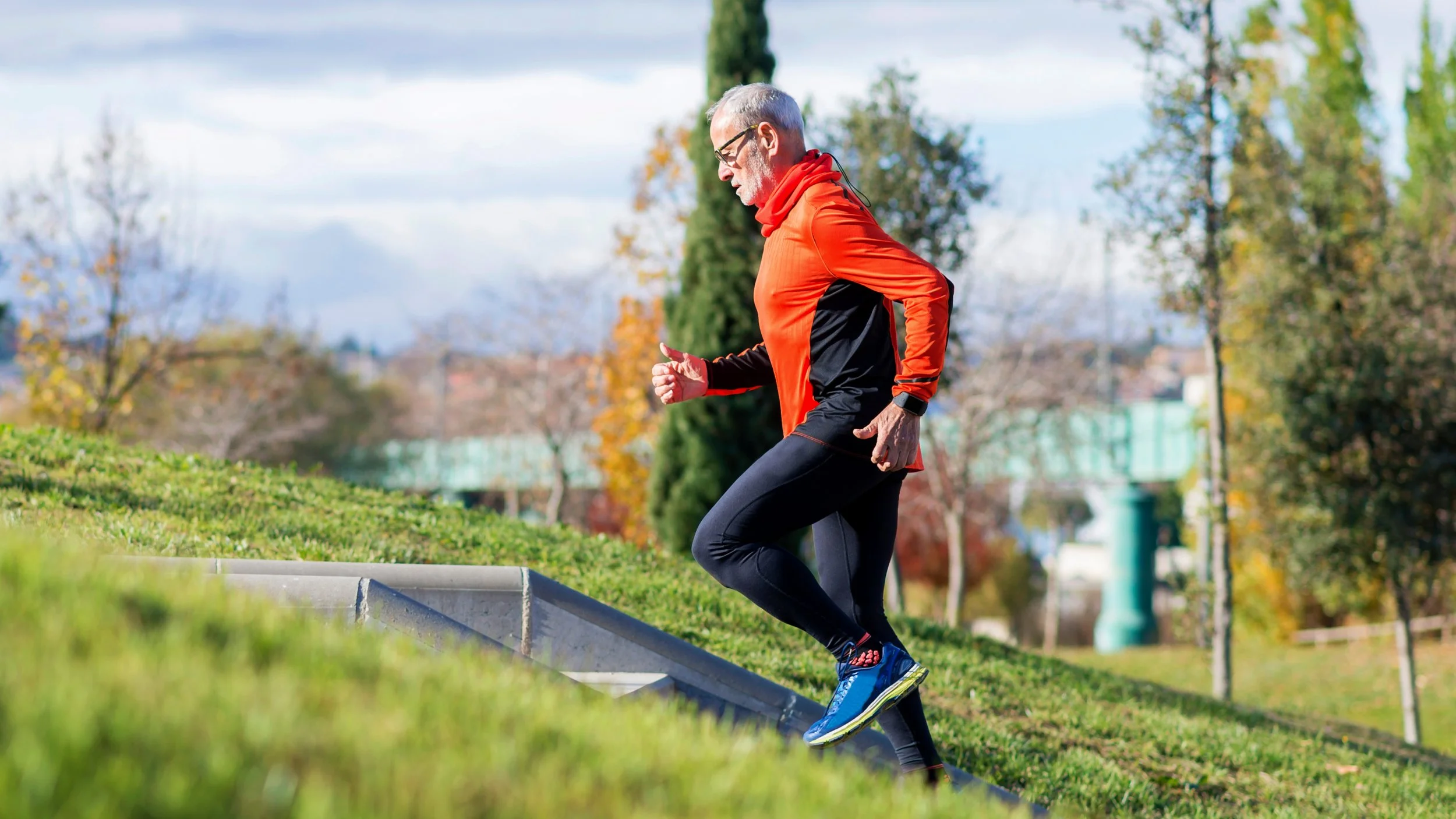
Why Foot Health Matters: How Your Feet Affect Your Whole Body
Discover why foot health matters and how your feet influence your posture, walking, balance and joint health.

Why Recovery is Just as Important as Exercise
Discover why recovery is essential for health, performance, and pain management. Learn simple recovery strategies including sleep, stress management, movement, and breathing exercises.

Looking After Your Feet: Why Podiatry Matters More Than You Might Think
Foot health plays an important role in mobility, comfort, and overall wellbeing. This blog explores how podiatry can help with common foot problems, support movement, and keep you active long term.

Reformer Pilates: Benefits, How It Works & Who It’s For.
Discover what reformer Pilates is, how it works and its key benefits for strength, posture and rehabilitation. Learn who it’s for and how it supports long-term health.
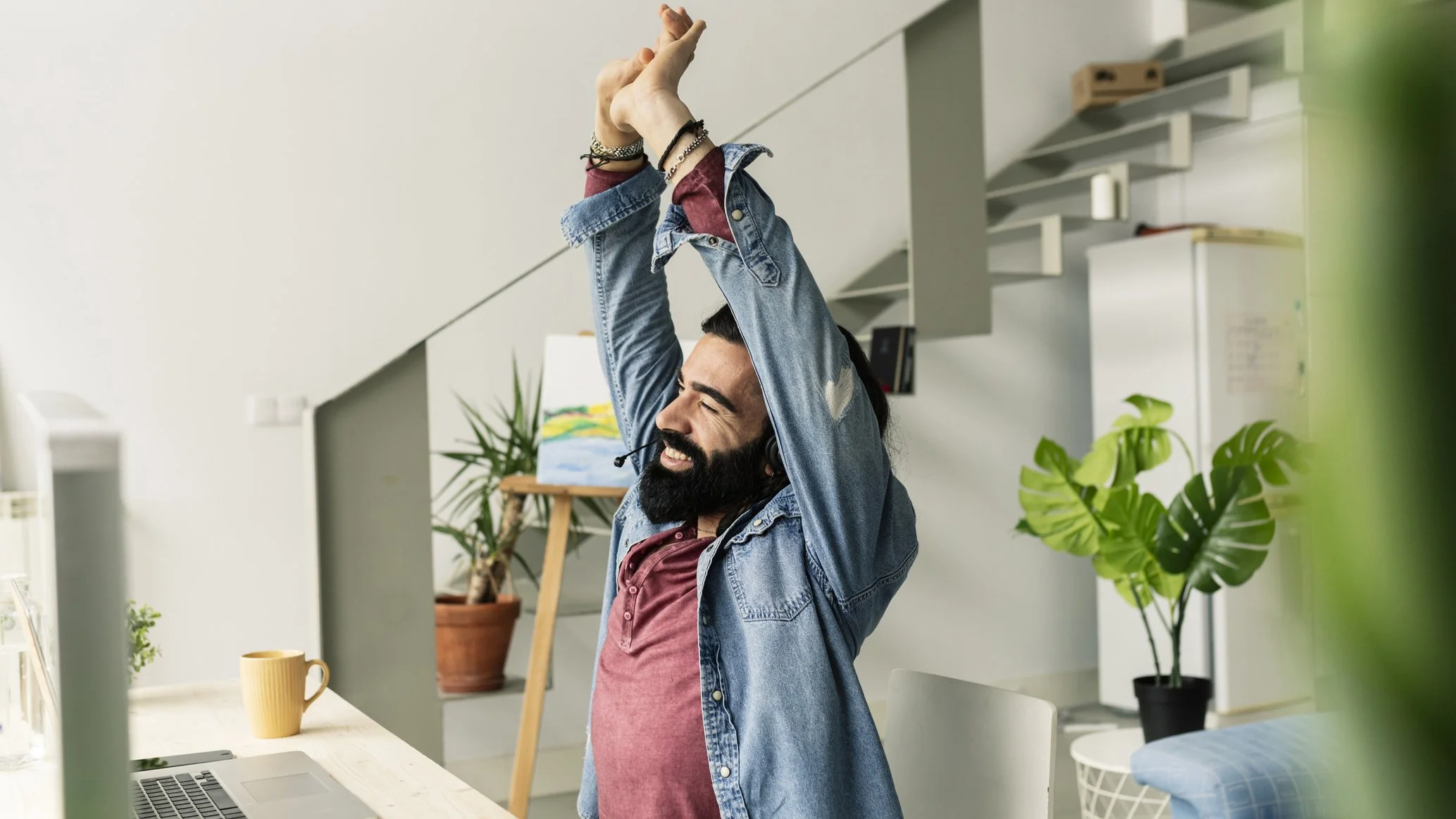
Understanding Discogenic Pain
Discogenic pain is a common cause of ongoing back discomfort, originating from the spinal discs rather than muscles or nerves. It often presents as persistent low back pain that worsens with sitting, bending, or lifting. In this guide, we explain what discogenic pain is, what causes it, and how osteopathic treatment, rehabilitation, and movement-based therapies at Apollo Health Collective can support your recovery.

Hypermobility and Pain: Why Being “Too Flexible” Can Lead to Injury
Hypermobility is not inherently harmful—but without sufficient strength and control, it can increase the risk of pain and injury.
The solution is not less movement, but better movement supported by strength and stability training.