Biomechanics
Expert biomechanics assessments in Norfolk using VALD, Footscan, gait analysis and clinical testing. Understand your movement, identify areas for improvement and optimise rehabilitation or performance.
What is Biomechanics?
Your body is an interconnected system. The way your feet interact with the ground can influence how your ankles, knees, hips, pelvis and spine move, while strength, mobility, coordination, previous injuries, footwear, and training load can all influence how you perform.
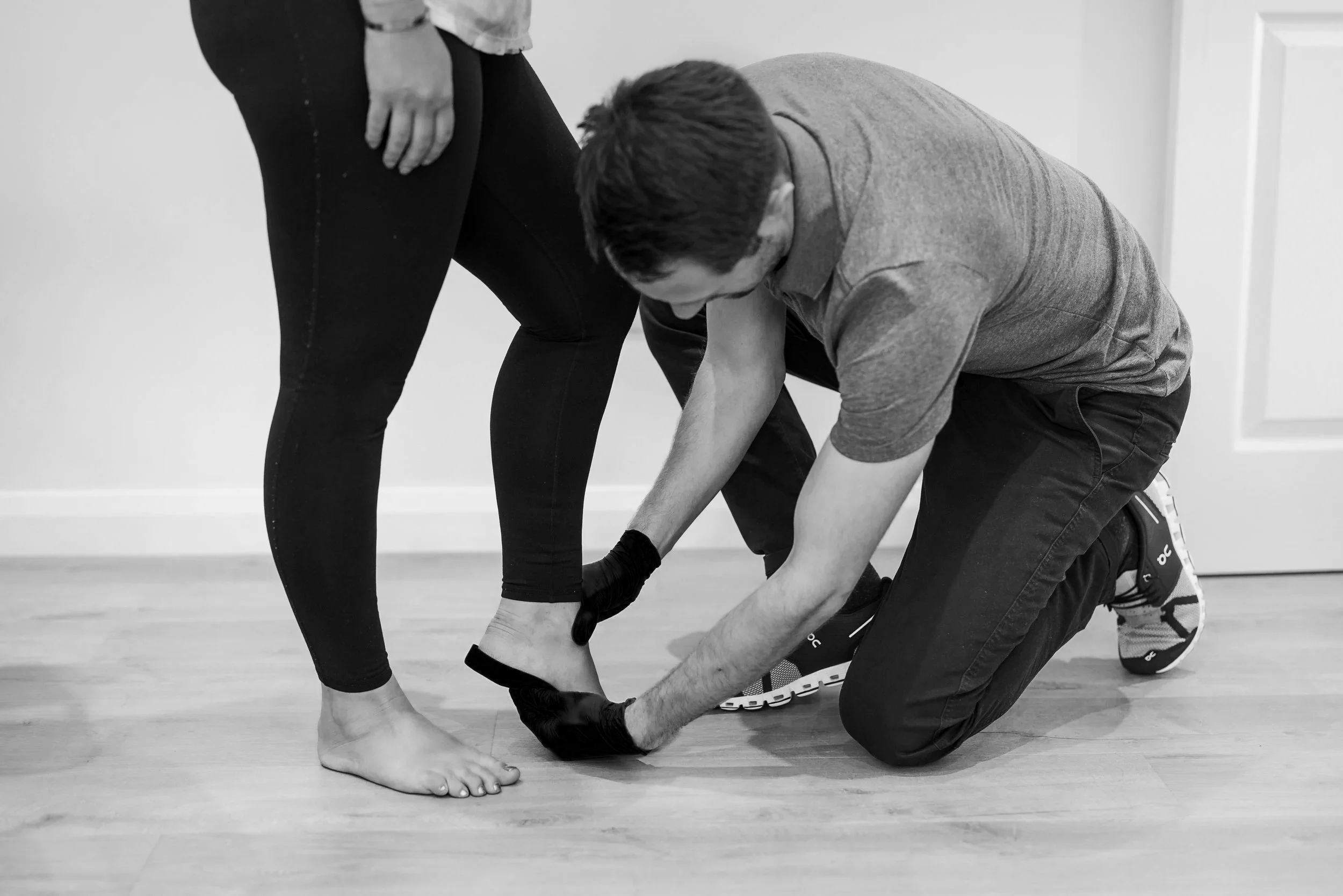
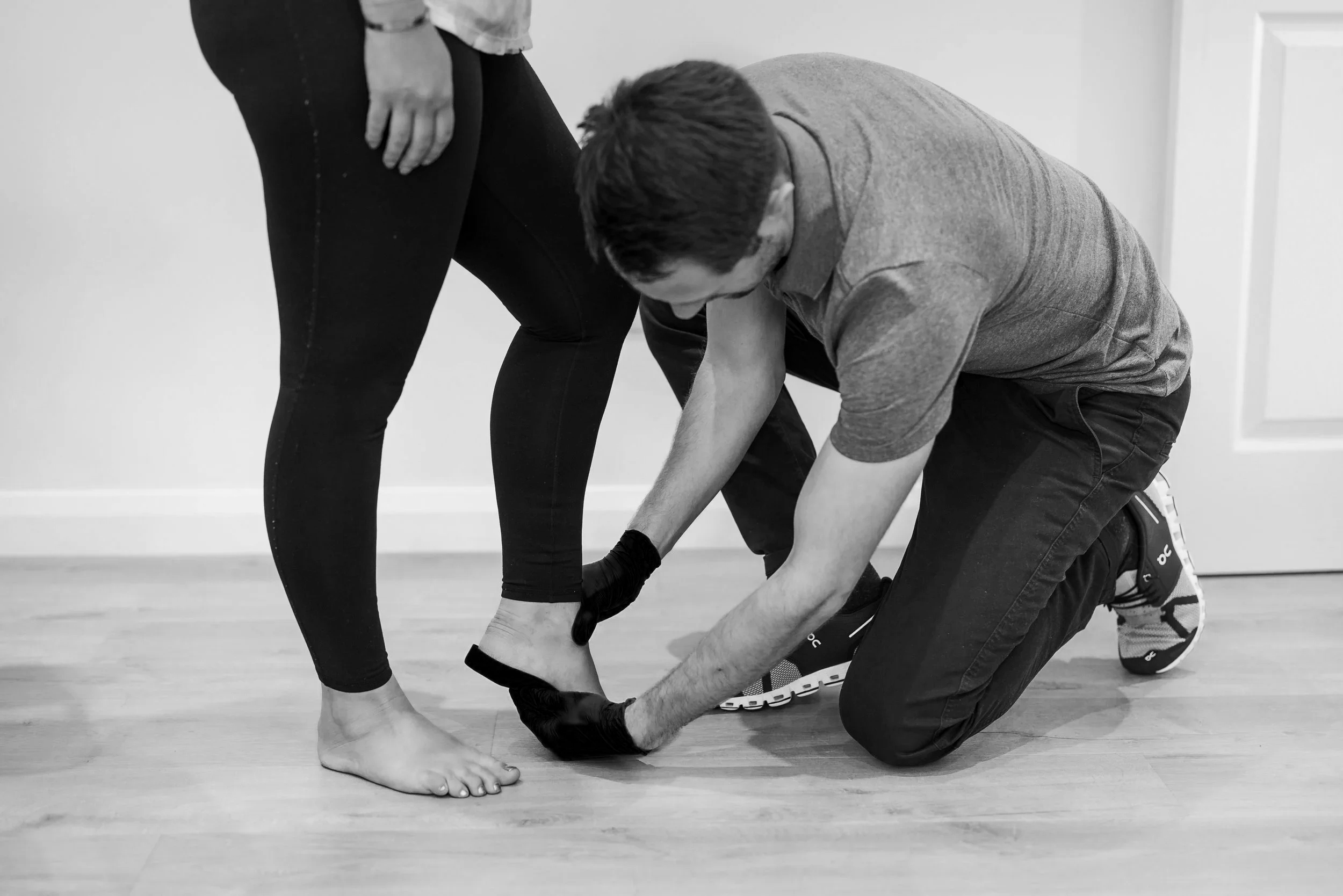
At Apollo Health Collective, our Biomechanics Assessments provide a detailed, objective evaluation of how you move. We combine clinical assessment with technology including VALD performance technology, force platforms, Footscan pressure analysis, movement assessment, and gait analysis to build a clearer understanding of your individual movement strategy.
Rather than assuming that one particular movement pattern is responsible for pain or injury, we look at the wider picture. Our clinicians consider your symptoms, injury history, physical capacity, training demands, footwear, movement patterns, strength, mobility, and goals alongside objective assessment data. This allows us to identify relevant areas for intervention and provide recommendations that are specific to you.
Biomechanics assessments can be particularly valuable for runners, athletes, active individuals, and people experiencing recurring or unexplained musculoskeletal problems. They can help identify areas of asymmetry, strength deficits, movement restrictions, loading strategies, or changes in how you interact with the ground that may be relevant to your performance or rehabilitation.
The assessment is not about finding a single "perfect" way to move. Human movement is highly individual, and variation is normal. Instead, we aim to understand your movement, identify opportunities to improve capacity or efficiency, and determine whether an intervention is appropriate.
Depending on your findings, recommendations may include targeted rehabilitation, strength and conditioning, mobility work, running technique modifications, footwear advice, orthotic intervention, or referral to another member of the Apollo team.
Our goal is simple: better information leads to better decisions. By combining clinical expertise with objective data, we can help you understand your body, make informed changes, and move towards your individual goals.
Who can benefit from Biomechanics?
Biomechanics assessment can be useful for:
Runners experiencing recurring injuries
Athletes looking to optimise performance
People experiencing foot, knee, hip, or back problems
Individuals with persistent lower-limb pain
People with recurring sports injuries
Clients considering custom orthotics
Individuals looking to improve movement efficiency
Objective data to support rehabilitation
Managing age-related changes
Looking to improve balance and stability
Those wanting to understand their running gait
Individuals returning to sport following injury
A biomechanics assessment is not only for people who are injured. It can also provide valuable information for those who want to understand their movement and physical capacity before problems develop.
Our Biomechanics Specialist

Chris Greenslade
Principal Osteopath & Clinical Director
What To Expect
Understand Your Goals
1
Every assessment starts with understanding why you are seeking a biomechanics assessment. We discuss your symptoms, sporting or activity demands, injury history, training, footwear, and goals so that the assessment is relevant to you.
Assess How You Move
Your clinician will carry out an appropriate combination of clinical and technological assessments based on your individual needs. This may include movement analysis, gait assessment, Footscan pressure analysis, strength testing, and VALD performance technology.
2
Interpret Your Data
Technology provides measurements, but clinical expertise gives those measurements meaning. We combine your objective results with your clinical assessment, history, and goals to identify the findings that are genuinely relevant to you.
We do not simply provide a collection of numbers or identify asymmetries without context. Instead, we explain what your results mean and where there may be opportunities to improve.
3
Build Your Action Plan
4
Following your assessment, you will receive clear recommendations based on your individual findings. Depending on your needs, this may include rehabilitation exercises, strength training, mobility work, running modifications, footwear advice, orthotics, or further assessment with another member of the Apollo team.
Our aim is to turn assessment data into practical action that helps you move better, perform better, and reduce the likelihood of recurring problems.
Biomechanics is available at…
Sheringham
Waterbank House, Station Approach, Sheringham, NR26 8RA
Monday-Friday - 08:30-18:00
Frequently Asked Questions
Still have questions? Take a look at the FAQ or contact us below. We will be happy to answer any and all questions around the clinic, our practitioners or our services…
-
A biomechanics assessment is a detailed evaluation of how your body moves and responds to physical load. It considers the interaction between your feet, joints, muscles, movement patterns, strength, balance, coordination, and physical capacity.
At Apollo Health Collective, we combine clinical assessment with objective technology where appropriate, including VALD performance technology, force platforms, Footscan pressure analysis, and gait assessment. This provides a more comprehensive picture of how you move and helps us identify areas that may be relevant to your symptoms, rehabilitation, or performance.
-
Yes. Biomechanics can be an important component of understanding recurring or activity-related injuries, particularly those affecting the feet, ankles, knees, hips, and lower back.
Our assessment considers your movement alongside factors such as strength, mobility, training load, previous injuries, footwear, and physical capacity. Rather than assuming that one biomechanical feature is the cause of an injury, we look at the combination of factors that may be contributing to your symptoms and identify appropriate areas for intervention.
-
Running gait analysis is the assessment of how your body moves while running. It can provide information about factors such as stride characteristics, foot and lower-limb movement, loading, coordination, and how your body responds to the demands of running.
At Apollo Health Collective, gait analysis forms part of a wider clinical assessment rather than being viewed in isolation. We consider your running history, training, injury history, strength, mobility, footwear, and goals alongside your gait data to determine which findings are meaningful and whether any changes are warranted.
-
A biomechanics assessment can help determine whether orthotic intervention may be appropriate, but not everyone with a biomechanical difference requires an orthotic.
At Apollo Health Collective, orthotic recommendations are based on your symptoms, clinical findings, foot function, activity demands, and individual goals. Where appropriate, Footscan pressure analysis and other assessment methods can provide additional information about how your feet load during movement. If orthotics are recommended, these can form part of a wider rehabilitation and movement strategy rather than being viewed as a standalone solution.
-
The technology used depends on your individual assessment requirements. Apollo Health Collective uses equipment including VALD performance technology, force platforms, Footscan pressure analysis, and movement and gait assessment tools.
These technologies can provide objective measurements of factors such as force production, strength, balance, asymmetry, plantar pressure, and movement. Importantly, we interpret these measurements alongside a clinical assessment rather than relying on technology alone.
-
No. A biomechanics assessment can be valuable whether you are currently injured, returning to sport, experiencing recurring problems, or simply interested in understanding your movement and physical capacity.
Athletes and active individuals may use assessment to establish a baseline, identify areas for development, monitor rehabilitation, or better understand their physical strengths and limitations. For runners, it can also provide useful information about gait, loading, strength, and movement that can be incorporated into a wider training strategy.
Start your health journey with one of our Biomechanics specialists today…
Call us to speak to one of our team or easily book online!