Sports Therapy
Helping you recover from injury, rebuild strength, and return to the activities you love through personalised sports therapy and rehabilitation.
What is Sports Therapy?
Sports therapy is a rehabilitation-focused approach to the assessment, management, and recovery of musculoskeletal injuries. At Apollo Health Collective, our sports therapists work with athletes, active individuals, and people of all activity levels to help them recover from injury, restore physical function, and confidently return to the activities that matter to them.
You do not have to be an elite athlete to benefit from sports therapy. Whether you have developed a running injury, strained a muscle at the gym, suffered a sporting injury, or are simply struggling with pain that is affecting your ability to exercise, our approach is built around your individual needs, lifestyle, and goals.
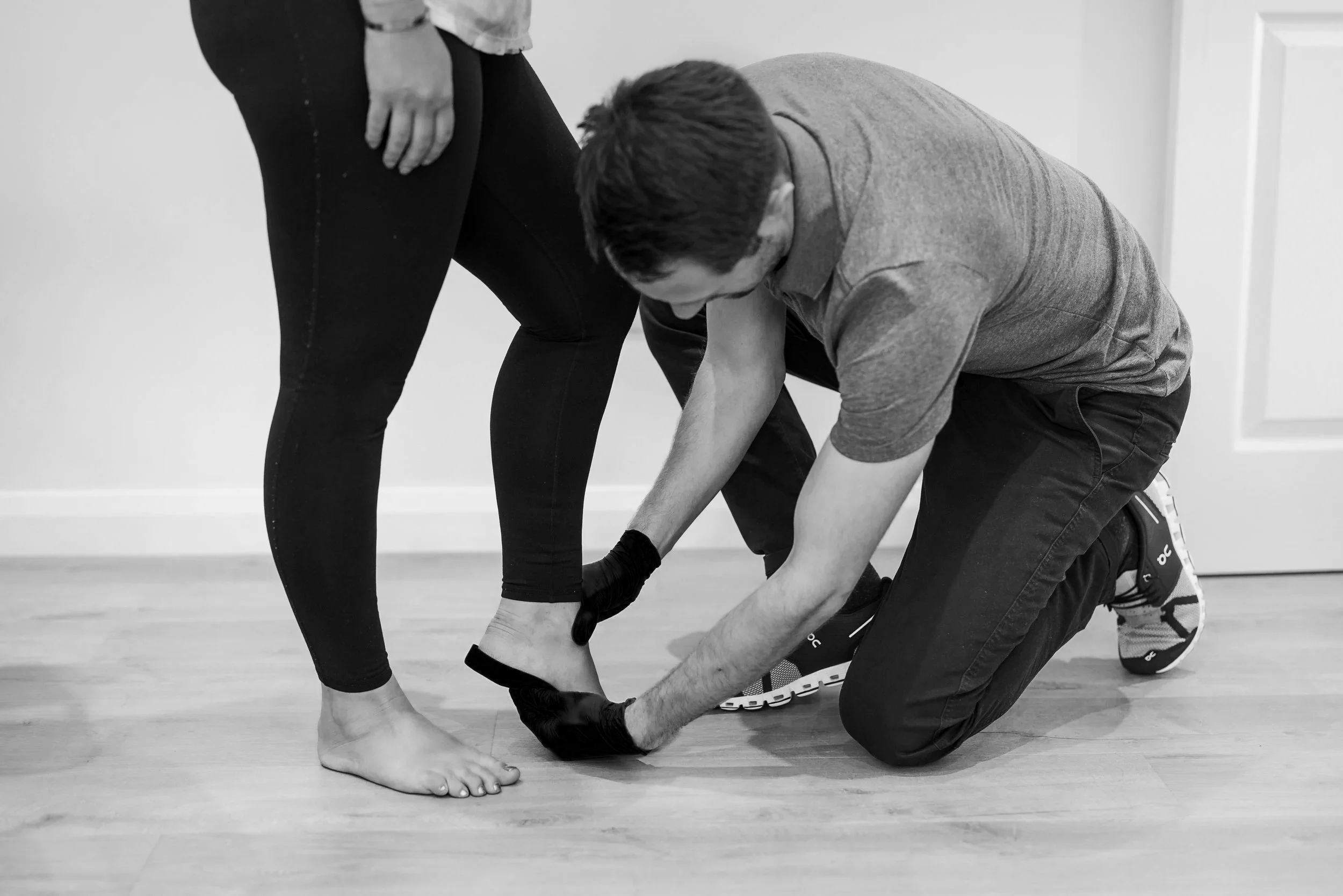
We begin by understanding what has happened, how your symptoms are affecting you, and what you need to get back to. Your assessment may consider pain, movement, strength, mobility, balance, coordination, and functional capacity, alongside your previous injury history and activity demands.
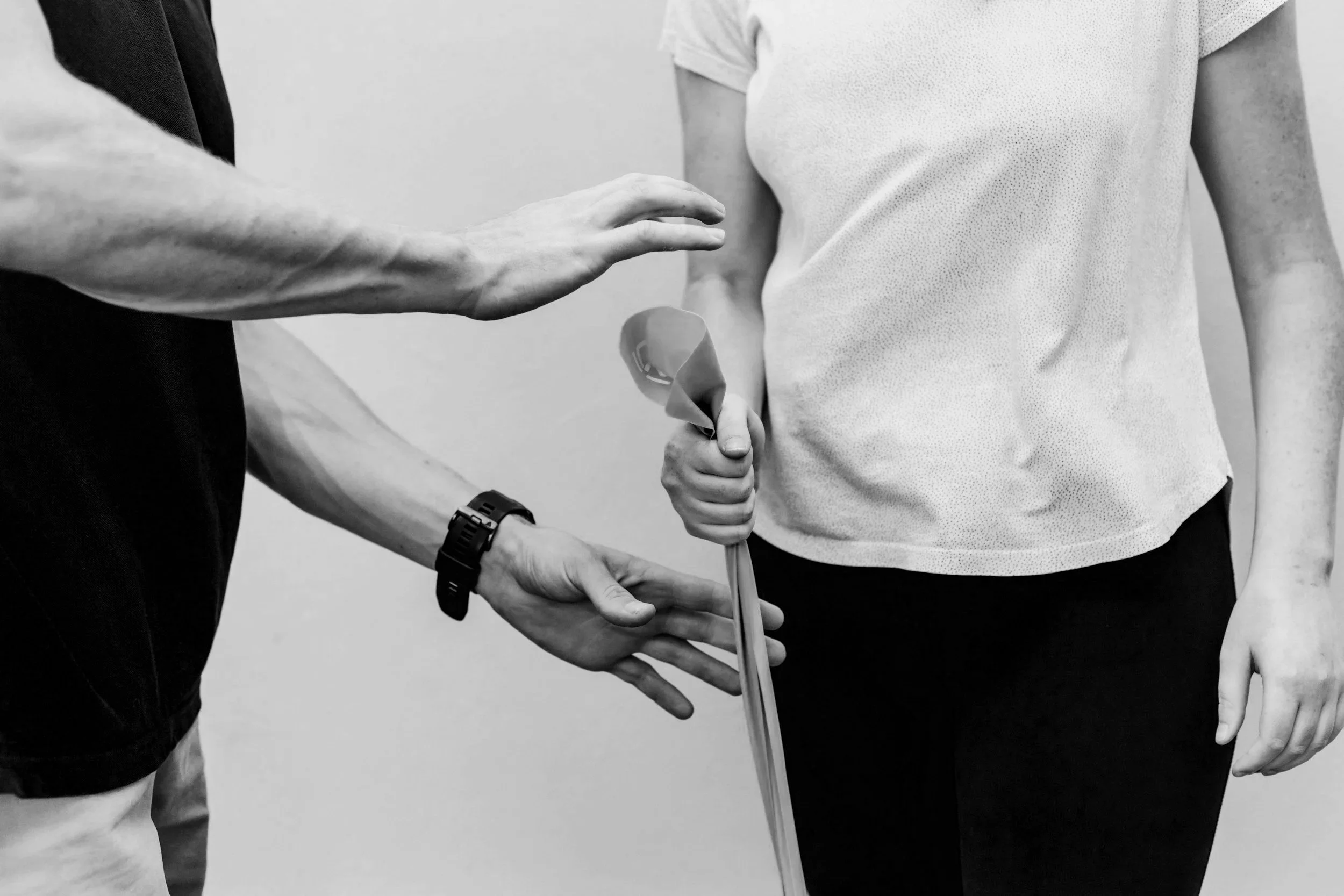
Treatment is then combined with progressive rehabilitation. Depending on your presentation, this may include hands-on therapy, mobility work, strength training, movement retraining, exercise prescription, and sport-specific rehabilitation. Rather than relying solely on passive treatment, we aim to progressively restore your physical capacity so you can become more resilient and confident in your movement.
For athletes and active individuals, rehabilitation can also progress towards the specific demands of your sport. This may include running, jumping, landing, changing direction, strength and power development, or sport-specific conditioning.
At Apollo Health Collective, sports therapy also forms part of our multidisciplinary approach. Where appropriate, your sports therapist can work alongside our osteopaths, podiatrist, massage therapists, Reformer Pilates teachers, and clinical exercise practitioners to provide a joined-up approach to your recovery.
Our goal is not simply to get you out of pain. It is to help you recover capacity, rebuild confidence, and return to doing what you enjoy.
Who can benefit from Massage Therapy?
Massage therapy may be appropriate for:
Runners experiencing recurring injuries
Athletes looking to optimise performance
People experiencing foot, knee, hip, or back problems
Individuals with persistent lower-limb pain
People with recurring sports injuries
Gym-goers and recreational exercisers
Anyone wanting to prioritise relaxation and physical wellbeing
Pregnancy-related muscular discomfort
Managing age-related changes
People experiencing muscular tension
Individuals with physically demanding occupations
Individuals returning to sport following injury
Our Massage Therapists

Hannah Brook
Massage Therapist
What To Expect
Understand You
1
Your appointment begins with a conversation about what has brought you in, your symptoms, activity levels, training, occupation, previous injuries, and goals. For pregnancy massage, we will also consider your stage of pregnancy and any relevant considerations.
Assess Your Needs
2
Your therapist will assess the areas relevant to your concerns and consider how they relate to your wider movement and activity. This helps determine the most appropriate massage techniques, treatment areas, positioning, and level of pressure.
Personalised Treatments
Your treatment is tailored to you rather than following a fixed routine. Depending on your needs, this may involve sports massage, remedial massage, pregnancy massage techniques, or a combination of appropriate approaches.
We will communicate with you throughout the treatment to ensure the pressure, positioning, and techniques remain comfortable and appropriate.
3
Support Your Recovery
4
Where appropriate, your therapist will provide advice around recovery, movement, exercise, training, and self-management. If your symptoms would benefit from further clinical assessment, we can also connect you with another member of the Apollo Health Collective team.
Massage is available at…
Sheringham
Waterbank House, Station Approach, Sheringham, NR26 8RA
Monday & Tuesday - 09:00-18:00
Frequently Asked Questions
Still have questions? Take a look at the FAQ or contact us below. We will be happy to answer any and all questions around the clinic, our practitioners or our services…
-
Both sports and remedial massage use targeted massage techniques, but they are generally used with different objectives.
Sports massage is particularly suited to active people and athletes and is often focused around the demands of training, recovery, muscular tension, and movement. Remedial massage tends to be more focused on addressing specific areas of muscular discomfort, tension, or restricted movement associated with injury, occupation, posture, or other physical demands.
There is some overlap between the two, and your therapist will select the most appropriate approach based on your individual needs rather than simply applying a standard treatment protocol.
-
Sports massage can be incorporated into a training and recovery programme to help manage muscular tension and support recovery following physical activity. It may also be useful for maintaining movement quality and helping active individuals manage the physical demands of their training.
At Apollo Health Collective, sports massage is not limited to elite athletes. It can be appropriate for runners, cyclists, gym-goers, team-sport players, and anyone who regularly exercises.
-
Running gait analysis is the assessment of how your body moves while running. It can provide information about factors such as stride characteristics, foot and lower-limb movement, loading, coordination, and how your body responds to the demands of running.
At Apollo Health Collective, gait analysis forms part of a wider clinical assessment rather than being viewed in isolation. We consider your running history, training, injury history, strength, mobility, footwear, and goals alongside your gait data to determine which findings are meaningful and whether any changes are warranted.
-
A biomechanics assessment can help determine whether orthotic intervention may be appropriate, but not everyone with a biomechanical difference requires an orthotic.
At Apollo Health Collective, orthotic recommendations are based on your symptoms, clinical findings, foot function, activity demands, and individual goals. Where appropriate, Footscan pressure analysis and other assessment methods can provide additional information about how your feet load during movement. If orthotics are recommended, these can form part of a wider rehabilitation and movement strategy rather than being viewed as a standalone solution.
-
The technology used depends on your individual assessment requirements. Apollo Health Collective uses equipment including VALD performance technology, force platforms, Footscan pressure analysis, and movement and gait assessment tools.
These technologies can provide objective measurements of factors such as force production, strength, balance, asymmetry, plantar pressure, and movement. Importantly, we interpret these measurements alongside a clinical assessment rather than relying on technology alone.
-
No. A biomechanics assessment can be valuable whether you are currently injured, returning to sport, experiencing recurring problems, or simply interested in understanding your movement and physical capacity.
Athletes and active individuals may use assessment to establish a baseline, identify areas for development, monitor rehabilitation, or better understand their physical strengths and limitations. For runners, it can also provide useful information about gait, loading, strength, and movement that can be incorporated into a wider training strategy.
Start your health journey with one of our Biomechanics specialists today…
Call us to speak to one of our team or easily book online!